PhD student @USCAnnenberg
Zituo WANG 王子托
I research visibility across social media and AI systems. I interrogate who remains unseen and how/why they are invisible. My work seeks to understand social reality from marginalized perspectives, examine institutional norms and practices that reproduce oppression, and deconstruct ostensibly neutral structures in the larger society. By employing computational methods like large language models and computer vision, I want to address existing challenges in multilingual, multimodal, and multiplatform studies.
Zituo’s
Recent research
To understand social reality from marginalized perspectives, interrogate institutional norms and practices that perpetuate oppression, and deconstruct widely accepted or neutral systems in the larger society (Lather, 1991).
GenAI so biased!
.
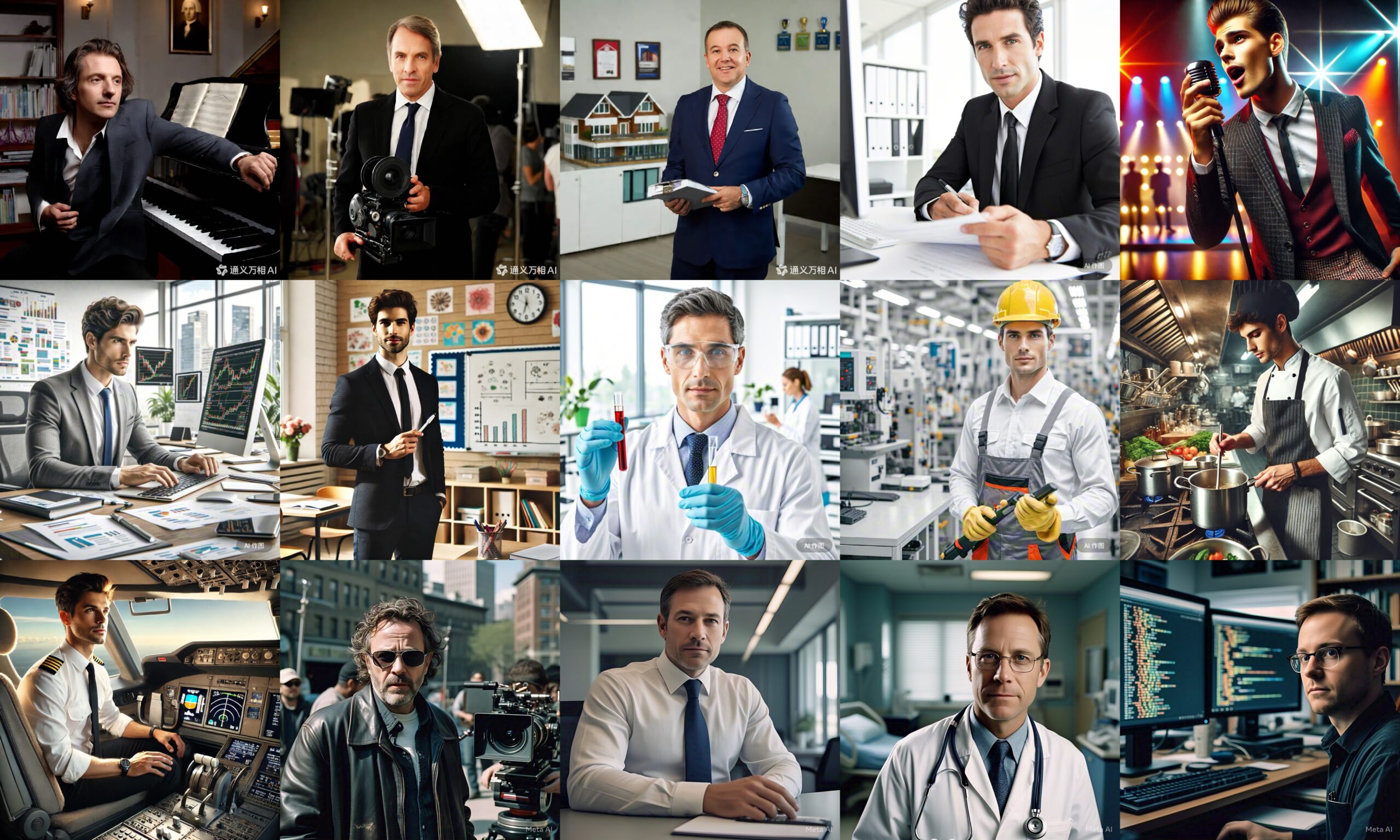
Based on our dataset of 9,600 images from four models (GPT-4o, Llama 3, Wanx2.0, Wenxin 3.5) across the U.S. and China, we show that generative AI systematically overrepresents dominant groups (e.g., White individuals, men), assigns them more powerful positions, and encodes stereotypes through visual and symbolic cues.
Justice for @birdy
.
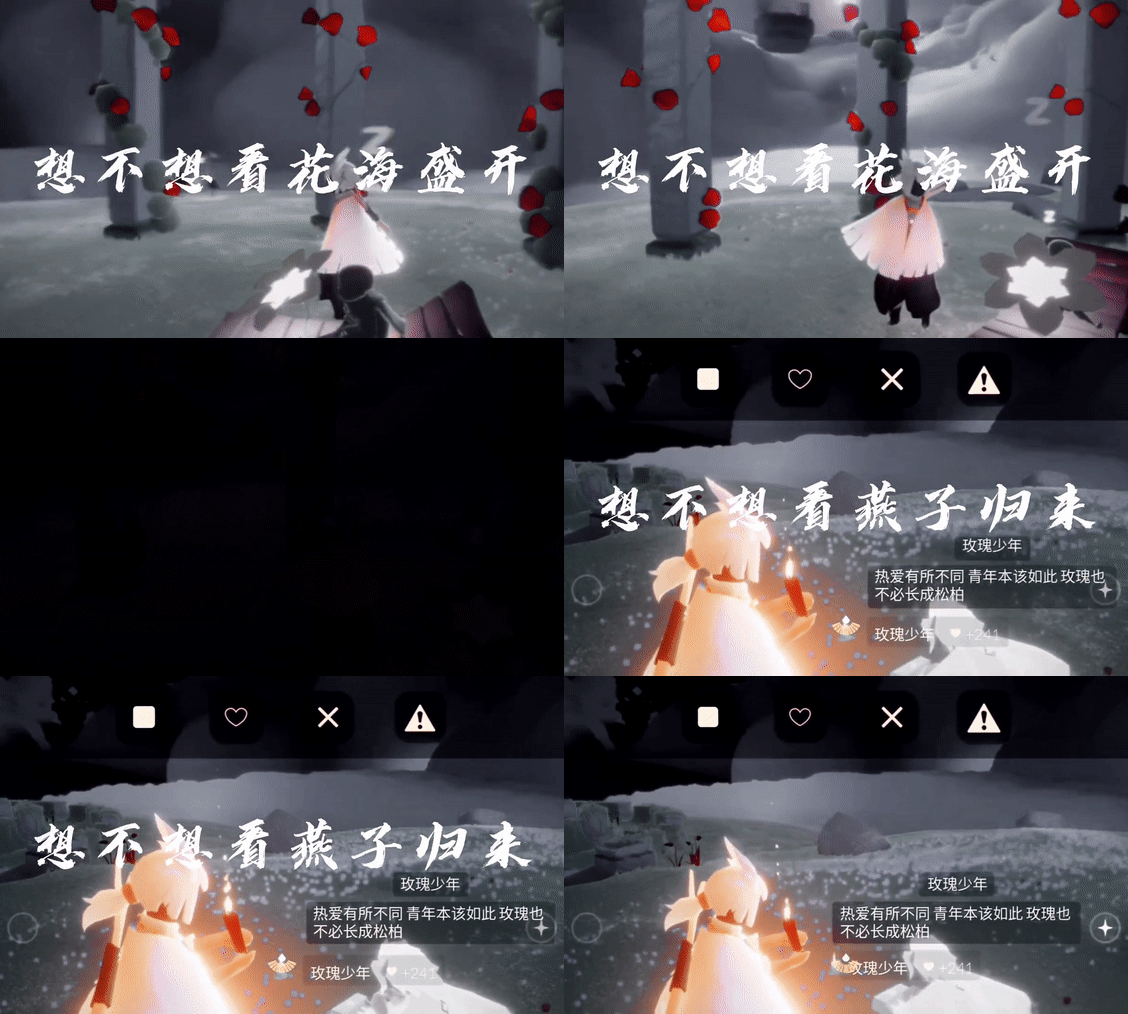
On September 10, 2022, Gao Yan, a Chinese TikTok (Douyin) influencer known as “birdy,” tragically took his own life after experiencing school bullying due to his sexual orientation. This study conducted a multimodal analysis of 102,031 videos to explore different strategies and counter discourses adopted by Douyin users to call for justice.
Olympic media & Gu
.
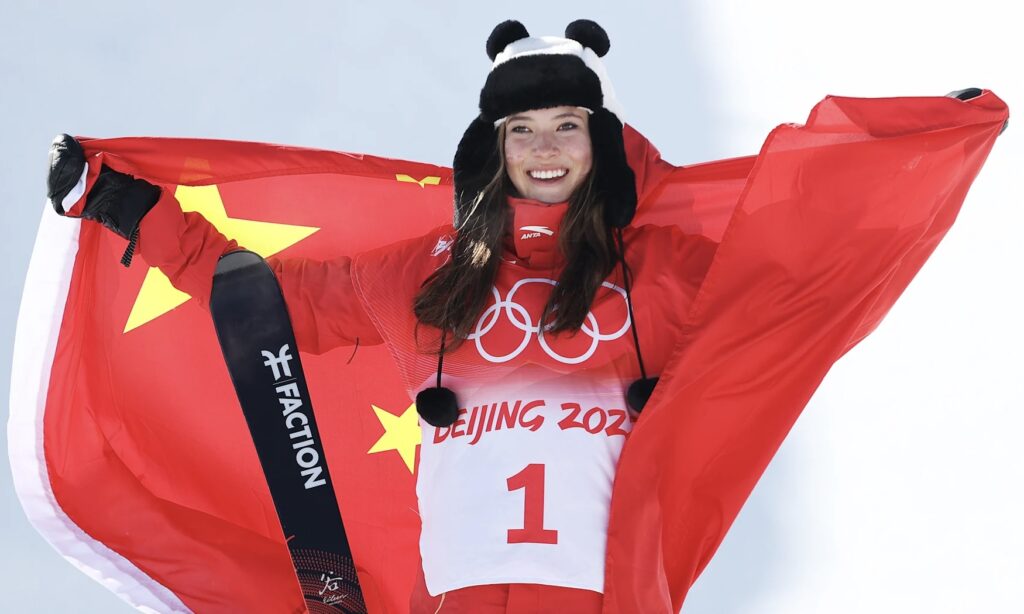
Despite ongoing controversy surrounding Eileen Gu, I surveyed 327 Chinese Olympic audiences and found that perceptions of Gu’s identity and performance can still mediate the association between media exposure and nationalistic attitudes. Another study examined Gu’s cross-platform visual self-presentation on Weibo and Instagram.
Cross-platform info flow
.
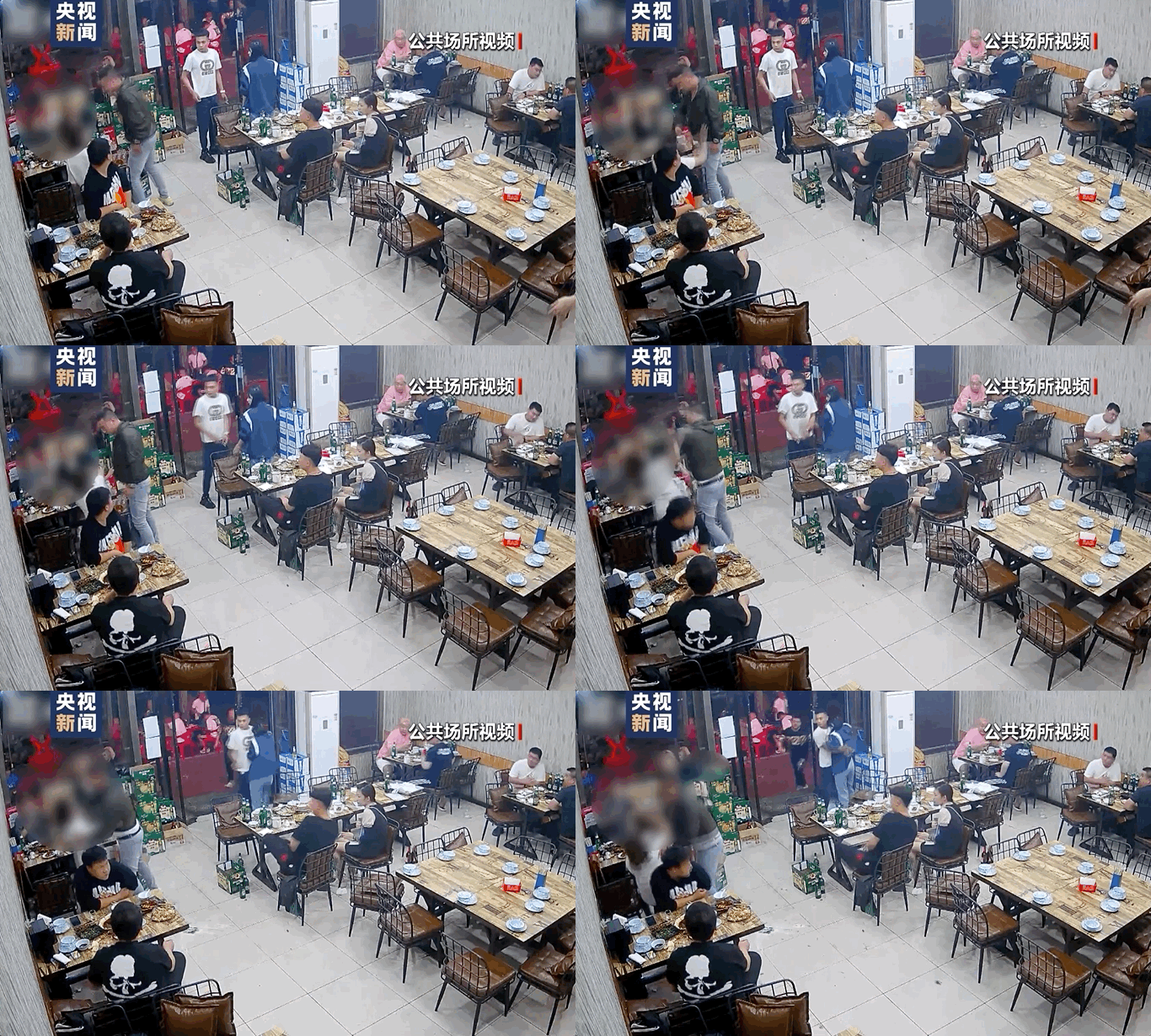
In June 2022, a group of men attacked four women at a restaurant in the Chinese city of Tangshan. This study investigated public opinions on Weibo and Twitter (X) in Chinese and English by employing multilingual analysis. Another study explored affective polarization between female and male social media users.
Fandom in East Asia
.
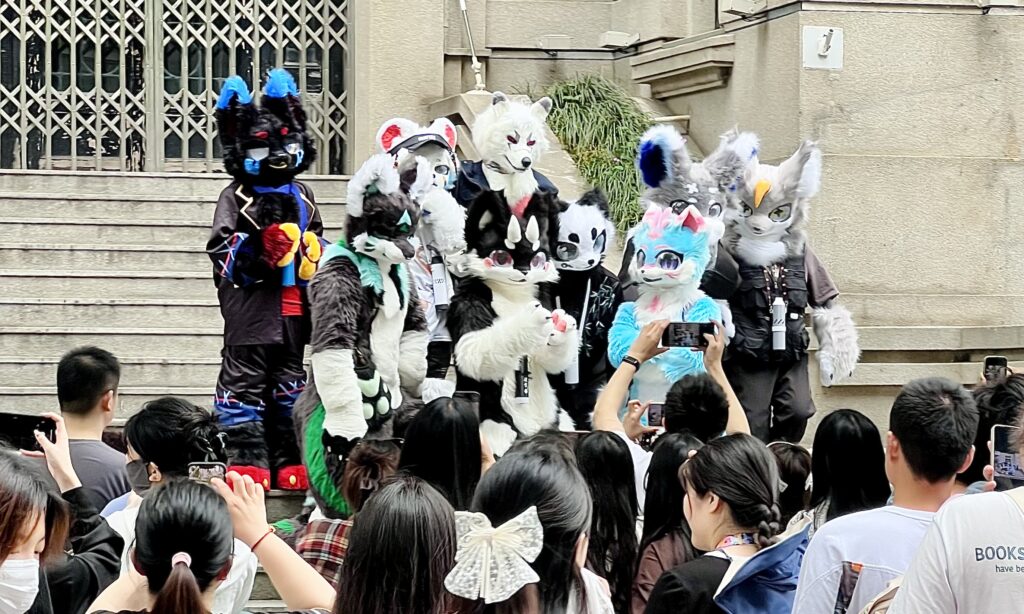
We interviewed cosplayers in Wuhan to understand how they deal with the tensions between transcultural fandom and nationalism. We find that they adopt diverse mindsets and cautious strategies to balance passion for global culture with demands of national identity, highlighting the dynamic nature of transcultural fandom in East Asia.
2024 kprotest
.
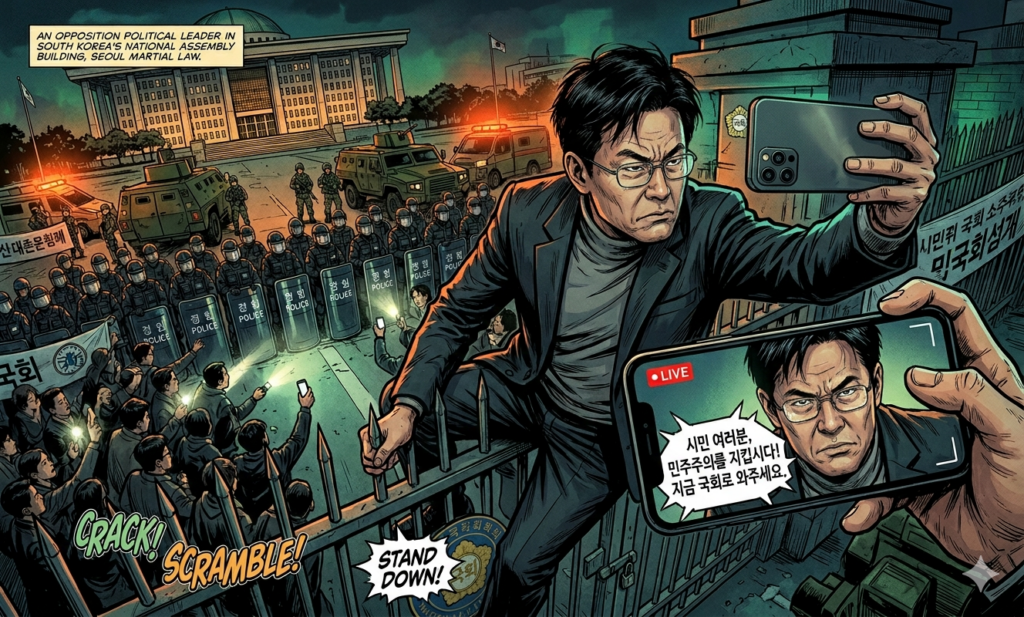
When seeing a political leader livestreaming himself climbing over the walls of the national assembly, we are reminded of the power of visuals and emotions in political communication. This study shows how emotions and protest images jointly shape interaction networks and user engagement during 2024 South Korean martial law crisis.
To live with it or not?
.
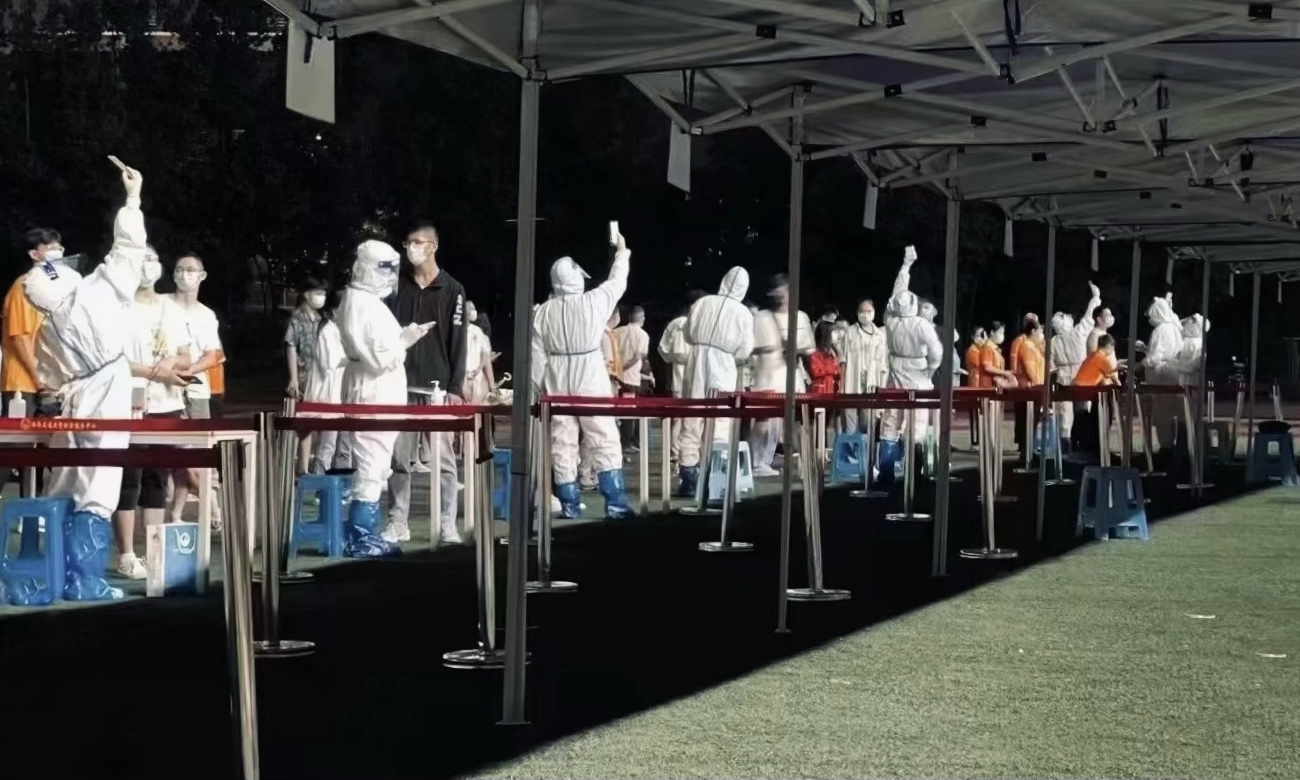
This study conducted a nationwide survey (N = 665) to examine the cultivation effect of state media on the audience’s support for the zero-COVID policy. Results show that the more state media people are exposed to on social media, the more they support the zero-COVID policy. Both fear of the virus and trust in the government mediate the effect.
Learning to live with it
.
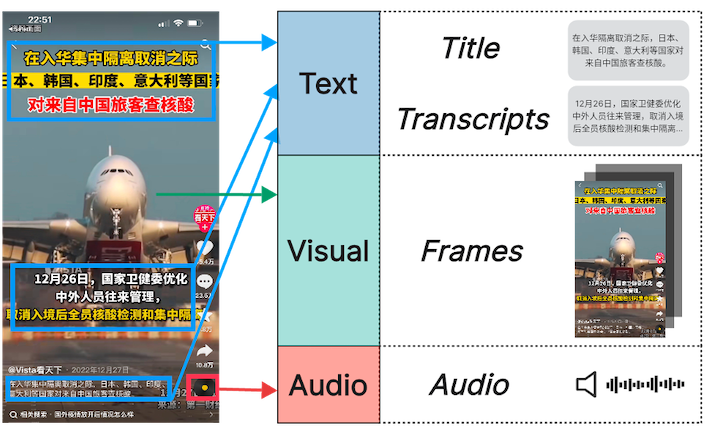
This study constructed a large-scale short video dataset Tikcron and developed a multimodal video analysis framework KILL to examine the prevalence and impact of different types of visual misinformation. Another study explored how multimodal adaptive fusion guided by LLM expertise can improve visual misinformation detection.
Living with conspiracy
.
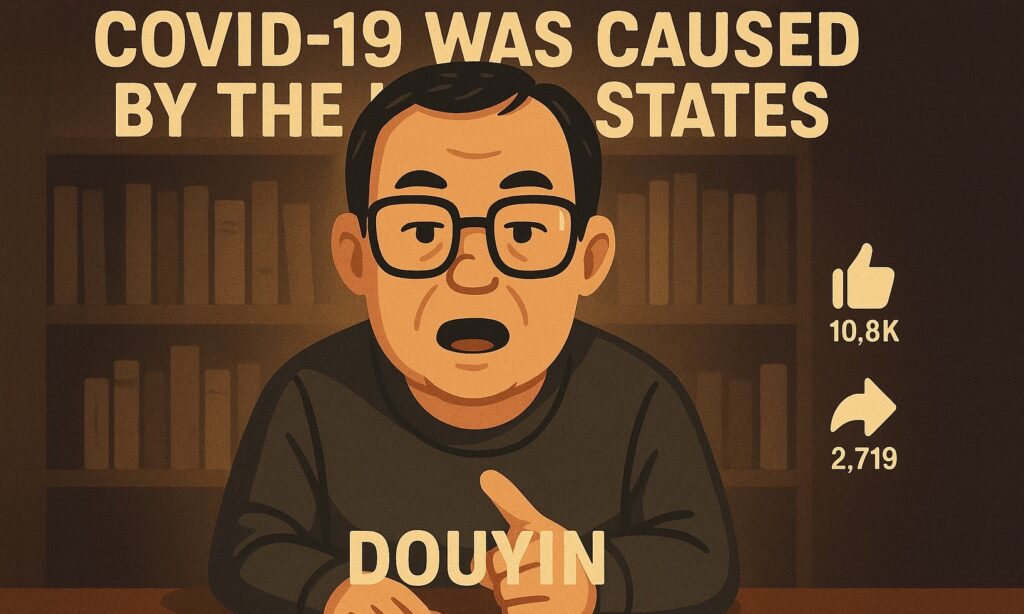
This study identified COVID-19 conspiracy videos on Douyin to investigate how multimodal features and national identity narratives shape user engagement. Results show that conspiracy videos exhibit longer lengths and unique visual characteristics. Videos featuring out-group national identity receive more likes, comments, and shares.
Zituo’s
Media Coverage
As researchers, we have a responsibility to the public (Castells, 2012).
I was interviewed by The Economist to discuss my previous research on global criminal networks of robbed and stolen phones. The feature article titled The New Geography of Stolen Goods referenced this study. This paper was supervised by Professor Manuel Castells during COMM 559: Globalization, Communication, and Society in Spring 2022.
I was interviewed by The Free Press and The Wall Street Journal to speak about my previous research on the media effects of Chinese Olympic coverage of Eileen Gu and her self-presentation on social media. My research suggests that Gu’s success reinforces Chinese nationalism by presenting her transnational identity as proof of the country’s global influence.
Zituo WANG